Oct 16, 2026Buying Guides
Three Gimbal Camera Suppliers, One Sample Pack: How a Brand Team Made the Call
Three spec sheets said the same thing; the sample packs did not. How a creator-gear brand separated three gimbal suppliers by walking footage, heat, screens, and one unscripted change request.
Daylight footage ends the paper debate
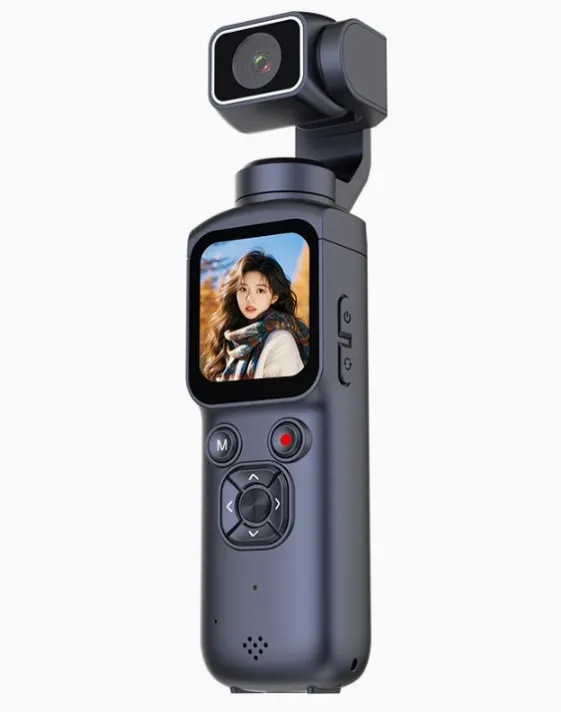
The first afternoon was walking footage, the use the cameras would actually be sold for: out on the pavement, then through an indoor stairwell. Direction changes were the most revealing moment, because a stabilization system is easiest to hear precisely when the gimbal decides. A brief hum that lives in quiet rooms reads as motor noise on every sample run, and one of the three packs had it. Low light came next, since most selling happens at golden hour if the marketing is honest about it, and the samples sorted themselves there too.
Heat followed. Each camera recorded 4K continuously on a desk with a thermometer nearby, and the real check was not whether the camera throttled but when, and whether it recovered on its own. A recording that drops quality mid-take and stays there fails differently from one that recovers within a minute, and the difference never appears on a spec sheet. Screen brightness got tested the same way any screen gets tested by someone who has sold cameras before: outdoors, at arm height, tilted into the sun. Two passed, one did not, and the winner was not the one with the highest quoted brightness figure.
The test that decided it happened by accident
Midway through, the same unscripted change request went to all three teams at once: the logo placement on the camera body had to move to the other side for the private-label run. One supplier answered with a revised label file the next morning. One negotiated the point for a week. One replied fast, reassured everyone in a paragraph, and never sent the file at all. Nobody on the brand team planned this test, and it carried more weight than anything measured in the first round, because a product program lives on the unscripted changes far more than it lives on the quotation.
The same pattern showed up in smaller tells. One supplier sent a thirty-second clip of randomly picked units running, unprompted, when asked how packing checks worked. One sent product photography. When the second round of samples shipped, only one of the three teams included a note on what had been adjusted since the first pack, which made the comparison almost trivial.
The team did not choose the lowest quote. They chose the sample that matched its own promise and the factory that fixed things at the speed of a conversation. That is the framework experienced sourcing managers tend to arrive at on their own: you are not buying the camera only, you are buying how the supplier behaves on the mornings when something is wrong. If you are weighing gimbal camera suppliers and want a sample pack that includes an honest account of what we are not the best at alongside what we are, ask us through the inquiry form. It reaches the engineering side directly, and questions about motor noise, heat, and MOQ are the ones we would rather answer in the first week than after your first return batch.